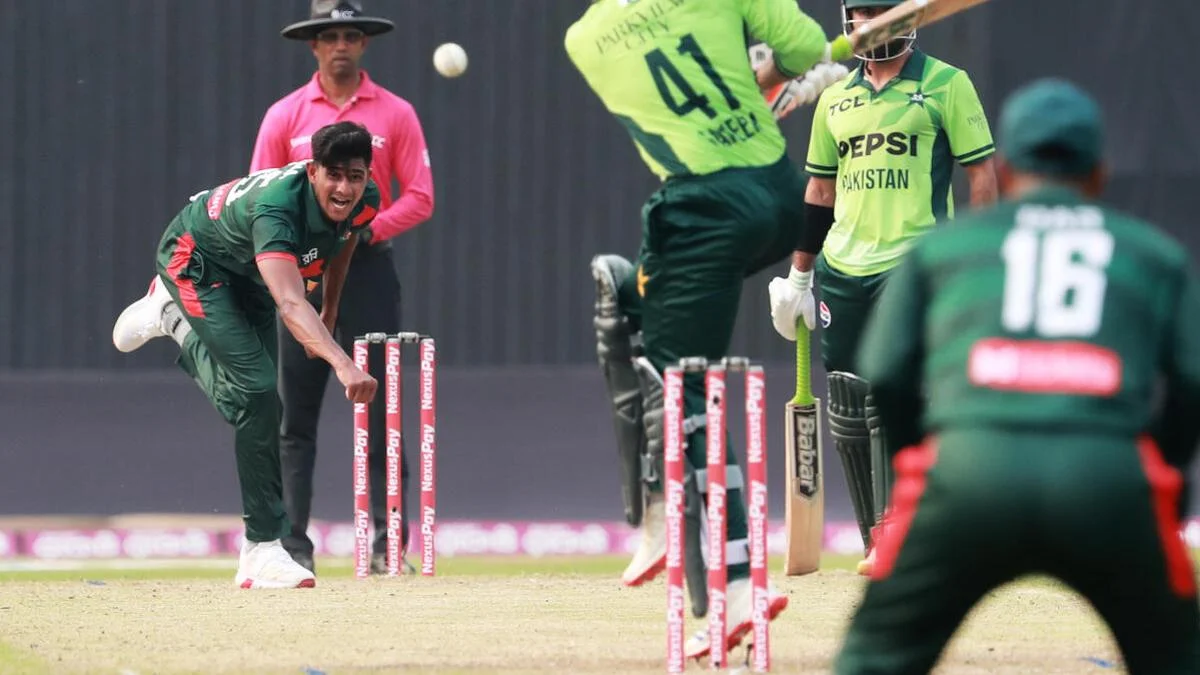
As Bangladesh prepares to host Pakistan for a three-match One-Day International series in March 2026, the cricket encounter highlights the complex landscape of sports media rights and broadcasting distribution across multiple markets. The second ODI, scheduled for March 13 at Shere Bangla National Stadium in Dhaka, underscores how international cricket matches create significant revenue streams through television rights, streaming platforms, and advertising opportunities across North America, South Asia, and beyond.
The Broadcast Rights Landscape Across Key Markets
The Pakistan-Bangladesh ODI series demonstrates the fragmented nature of cricket broadcasting rights in the digital age. Different regions require separate licensing agreements, creating distinct revenue channels for cricket boards and broadcasters. In Canada, Willow TV holds exclusive rights to televise the match, making it the primary destination for Canadian viewers seeking live coverage of the encounter.
This arrangement reflects broader trends in sports broadcasting, where content providers must negotiate individual territorial rights rather than securing global broadcasting packages. The division of broadcasting territories generates substantial licensing fees that flow back to cricket governing bodies, contributing to the financial health of national cricket programs.
Streaming Platforms Drive Digital Revenue Growth
Beyond traditional television, streaming services have become critical distribution channels for cricket content. In India, the FanCode app and website will stream the match live, representing the growing preference among younger audiences for on-demand sports viewing. Similarly, Bangladesh viewers can access coverage through the Toffee and Tapmad streaming platforms, while Pakistani audiences have access through Tamasha Web and Myco Broadcasting.
The proliferation of streaming options creates multiple revenue streams through subscription fees, advertising placements, and licensing arrangements. These digital platforms have fundamentally altered the economics of sports broadcasting, allowing cricket boards to monetize their content beyond traditional television contracts. The shift reflects changing consumer behaviour, particularly among younger demographics who prefer flexible viewing options over scheduled broadcast times.
Market-Specific Broadcasting Arrangements and Revenue Implications
Each market maintains distinct broadcasting partnerships tailored to local preferences and regulatory requirements. In Pakistan, PTV Sports and A Sports share broadcasting responsibilities, ensuring broad domestic coverage while generating advertising revenue from local markets. In the United Kingdom, ARY Digital holds rights as a Pakistani entertainment network, creating cross-border revenue opportunities.
The United States broadcasting arrangement through Willow TV, available via subscription, Amazon Prime, and cable systems including DirecTV, demonstrates how cricket content reaches diaspora communities and growing international cricket audiences. These arrangements generate licensing fees that support the financial sustainability of international cricket tours and player compensation structures.
The First ODI's Impact on Series Dynamics and Broadcast Value
Bangladesh's dominant eight-wicket victory in the series opener carries significant implications for broadcast viewership and advertising rates. The home team's commanding performance, achieved through a brilliant bowling display that limited Pakistan to just 114 runs, creates compelling narrative momentum heading into the second match. Nahid Rana's five-wicket haul and the team's swift 15.1-over chase demonstrated the quality of cricket that attracts viewers and justifies broadcasting investment.
Pakistan's use of four debutants in the first match—Sahibzada Farhan, Maaz Sadaqat, Shamyl Hussain, and Abdul Samad—introduces storylines around player development and squad building that enhance broadcast appeal. The contrast between an established Bangladesh lineup and Pakistan's experimental approach creates narrative tension that drives viewership across multiple markets. For broadcasters and streaming platforms, such compelling matchups justify higher advertising rates and subscriber acquisition costs.
Scheduling and Time Zone Considerations for Global Audiences
The Friday, March 13 fixture presents scheduling challenges that reflect the complexities of international cricket broadcasting. The 2:15 p.m. Bangladesh Standard Time start translates to 4:15 a.m. Eastern Daylight Time for North American viewers, requiring early morning viewing or recorded playback options. For United Kingdom audiences, the 8:15 a.m. Greenwich Mean Time start offers more convenient viewing windows.
These time zone disparities influence viewership patterns and advertising strategies across regions. Broadcasters must balance live transmission with on-demand options to maximize audience reach. Canadian viewers accessing Willow TV face particularly challenging early morning times, potentially shifting viewing to recorded highlights or streaming catch-up services that offer greater flexibility.
The Economic Significance of Cricket Tours for Host Nations
Bangladesh's role as host nation generates economic benefits beyond broadcasting rights. International cricket matches drive tourism, hospitality spending, and venue utilization. The Shere Bangla National Stadium in Mirpur serves as a major revenue-generating asset, with match hosting fees, ticket sales, and ancillary services contributing to Bangladesh Cricket Board revenues.
The three-match series structure maximizes economic impact by extending the tour across multiple matches, generating sustained media attention and revenue opportunities. Each match creates separate broadcasting events, advertising opportunities, and audience engagement moments that extend the commercial value of the tour throughout its duration.
Player Development and Commercial Value Creation
Pakistan's inclusion of debutant players represents an investment in squad development with long-term commercial implications. Young players gaining international experience increase their marketability for franchise cricket opportunities, endorsement deals, and future bilateral series. Bangladesh's established lineup, meanwhile, reinforces the team's commercial value and broadcasting appeal, justifying higher rights fees for future tours.
The performance differential between the teams influences player valuations in the cricket marketplace. Dominant performances like Bangladesh's first-match victory enhance player profiles, creating opportunities for increased endorsement earnings and franchise cricket contracts. This interconnection between sporting performance and commercial value demonstrates how cricket results have direct financial implications for players and boards.
Related Articles
- Adobe CEO Shantanu Narayen to Step Down After 18 Years at Helm, Triggering Market Jitters
- European Sleeper Relaunches Paris-Berlin Route, Signalling Revival of Night Train Travel in Europe
- Weather Volatility Creates Economic Ripple Effects Across North America
The Bangladesh-Pakistan ODI series exemplifies how international cricket matches function as complex commercial enterprises spanning multiple broadcasting territories, streaming platforms, and revenue streams. From Willow TV's North American coverage to regional streaming services across South Asia, the match generates value through diverse distribution channels that serve different audience segments and time zones. As cricket continues evolving in the digital age, the ability to monetize content across multiple platforms while managing territorial rights complexities remains central to the financial sustainability of international cricket tours. The series demonstrates that sporting outcomes directly influence broadcasting value, with Bangladesh's dominant opening performance enhancing the commercial appeal of subsequent matches and justifying continued investment in cricket broadcasting rights across global markets.


