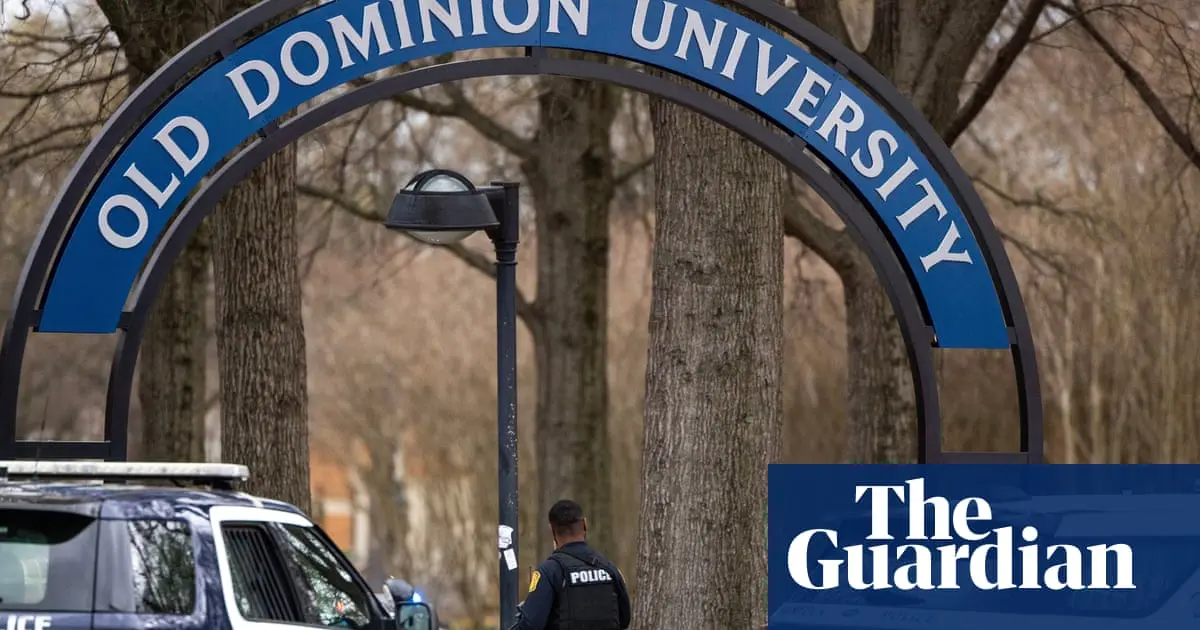
A shooting at Old Dominion University in Virginia has prompted renewed examination of how American universities allocate resources toward campus security and emergency response systems. The incident, which resulted in one fatality and two injuries, underscores the financial and operational challenges institutions face in balancing accessibility with protection measures. For Canadian universities and their boards of governors, the event offers lessons about security infrastructure investment and risk management.
The incident and immediate response
On Thursday morning, a gunman opened fire inside Constant Hall, the business school building at Old Dominion University in Norfolk, Virginia. The shooting occurred shortly before 10:49 a.m. local time, prompting an immediate emergency response from campus police and security personnel. One person was killed in the attack, while two others sustained injuries. The gunman was subdued and died at the scene, with the circumstances of his death still under investigation.
University Police Chief Garrett Shelton reported that officers responded within minutes of receiving emergency calls. The rapid response time—less than ten minutes from initial report to securing the scene—demonstrates the importance of well-funded, trained security operations on campus. For university administrators and financial planners, such incidents highlight the ongoing costs associated with maintaining adequate police forces and emergency response infrastructure.
Campus security infrastructure and financial implications
Old Dominion University, located in coastal Norfolk with approximately 24,000 students, employs dedicated campus police and security personnel. The university's position near Naval Station Norfolk, the world's largest naval installation, adds layers of complexity to security planning and coordination with federal authorities. About 30 percent of the student body maintains military affiliations, which shapes both the campus culture and security protocols.
The financial burden of campus security extends beyond visible police presence. Universities must invest in emergency communication systems, surveillance infrastructure, building access controls, and regular security training for staff and students. These expenditures compete with other institutional priorities like academic programming, student support services, and facility maintenance. The incident at Old Dominion illustrates why universities increasingly view security spending not as optional but as essential operational expense.
For Canadian institutions, the cost-benefit analysis of enhanced security measures remains contentious. While Canadian campuses have generally experienced fewer mass shooting incidents than their American counterparts, universities from coast to coast have invested substantially in emergency response systems, threat assessment protocols, and security personnel training. These investments represent significant budget allocations that institutions must justify to boards of governors and provincial oversight bodies.
Insurance, liability, and institutional risk management
Campus shootings create substantial financial exposure for universities through multiple channels. Institutions face potential liability claims from victims and their families, increased insurance premiums, and costs associated with legal proceedings. Beyond direct financial consequences, universities must invest in crisis communication, counselling services for affected students and staff, and facility repairs or upgrades following violent incidents.
The Federal Bureau of Investigation's classification of the Old Dominion incident as an act of terrorism adds additional complexity to the institutional response. Terrorism-related incidents may trigger different insurance coverage provisions, law enforcement protocols, and federal investigation procedures. Universities must maintain relationships with federal agencies and understand how various classifications affect their financial and operational obligations.
Risk management professionals at Canadian universities increasingly factor active threat scenarios into their planning processes. This includes developing and regularly updating emergency response plans, conducting training exercises, and ensuring adequate funding for security infrastructure. The costs of such preparedness—often measured in millions of dollars annually for large institutions—have become standard budget considerations.
The broader context of campus violence and security spending
The shooting at Old Dominion occurred amid heightened national security concerns in the United States. The incident followed other violent events that prompted authorities to investigate potential connections to terrorism-related activity. While there was no immediate indication that separate incidents were coordinated, the clustering of events intensified focus on institutional preparedness and security funding.
Research organizations tracking gun violence in the United States documented at least 19 instances of gunfire on campuses ranging from elementary schools to universities since the start of 2026. This frequency has prompted advocacy groups and institutional leaders to reassess security priorities and funding allocations. Universities face pressure to enhance safety measures while maintaining open, welcoming environments conducive to learning and research.
Canadian universities operate within a different legal and social context regarding firearms and campus security. However, they remain attentive to security challenges and have implemented various protective measures. The financial implications of security infrastructure—including personnel, technology, training, and facilities modifications—represent ongoing budget pressures for Canadian institutions already managing fiscal constraints and competing priorities.
Institutional response and recovery costs
Following the shooting, Old Dominion University President Brian Hemphill issued a statement affirming the institution's commitment to campus safety and security. Such statements, while important for community reassurance, represent only the public-facing aspect of institutional response. Behind the scenes, universities must manage numerous financial and operational challenges in the aftermath of violent incidents.
Recovery costs include counselling and mental health services for affected students, staff, and first responders; facility repairs and security upgrades; enhanced security staffing; and administrative expenses associated with investigations and reviews. Universities may also face reputational impacts affecting enrollment and donor relations, with financial consequences extending months or years beyond the incident itself.
For Canadian universities, while the immediate risk of mass shooting incidents remains lower than in the United States, the financial principles of crisis management and recovery remain relevant. Institutions must budget for emergency response capabilities and recovery resources to protect their communities and institutional stability.
Related Articles
- Military Aircraft Loss Raises Questions About Aging Refuelling Fleet Amid Middle East Operations
- Weather Volatility Creates Economic Ripple Effects Across North America
- Adobe CEO Shantanu Narayen to Step Down After 18 Years at Helm, Triggering Market Jitters
The shooting at Old Dominion University illustrates the complex financial and operational dimensions of campus security in North America. Universities must balance accessibility and openness with protective measures, allocating substantial resources to security infrastructure, emergency response systems, and crisis management. For Canadian institutions, while the specific threat profile differs from the United States, the fundamental challenge of ensuring campus safety while managing fiscal constraints remains constant. Board members, administrators, and financial planners at universities across Canada continue to grapple with these competing priorities, recognizing that comprehensive security preparedness requires sustained investment and institutional commitment.


